
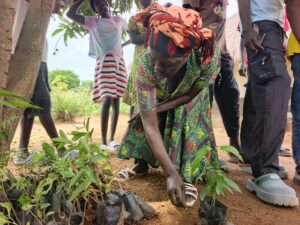
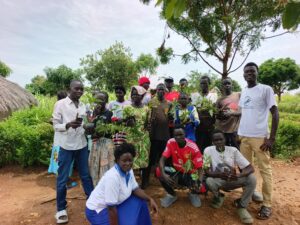
On 9 September 2025, Reliable Refugee Storytellers Association distributed more than 500 tree seedlings to young people in Bidibidi Refugee Settlement zone 1. The seedlings included guava, mango, neem, teak and orange. The handover targeted youths who will plant and care for the trees in community spaces, home gardens and shared plots.
Why this matters
Climate change affects everyone. It changes how much rain falls, how crops grow and how people live. Planting trees is a practical local response. Trees improve soil, provide shade, supply fruit and medicinal products, and store carbon. By placing young people at the Centre of the effort we are building local knowledge and long term responsibility for the landscape.
How the initiative worked
Reliable Refugee Storytellers Association organized a distribution event and short practical briefing. Youth participants received seedlings and simple guidance on planting, watering and early care. The focus was on species that deliver immediate and long term benefits. Guava and mango will provide fruit, neem has medicinal and pest control uses, teak is a long term timber option and orange trees offer both fruit and shade.
Youth as change agents
This project sees youths as more than beneficiaries. They are local leaders, educators and stewards. When young people plant trees and share what they learn with neighbors they create a ripple effect. Small actions by many people become a visible improvement. The seedlings become tools for learning, for income generation and for restoring the local environment.
Immediate benefits and expected impact
Increased shade and reduced soil erosion in target plots.
New sources of fruit and nutrition for families.
Hands-on learning about tree care and climate resilience.
Strengthened community networks around environmental action.
Over time the seedlings will grow into lasting resources. Fruit trees can supply food and income. Neem can reduce dependency on chemical pesticides. Teak offers long term value to households and the community.
What comes next
Participants will continue to care for the trees and document their progress. RRSA will support follow up activities that include refresher sessions, monitoring and sharing stories from participants. We plan to record lessons learned so the approach can be repeated in other zones.
How you can help
Support tree care by donating materials such as water cans and mulch.
Volunteer time to run planting or care days.
Share seedling success stories to inspire other communities.
To support the project or learn more contact Reliable Refugee Storytellers Association at the usual channels.