
Culture survives when people choose to remember it — and when they build the tools to hold those memories for future generations. Refugee Archives: Culture in the Commons set out to do exactly that in Bidibidi Refugee Settlement: train local cultural documentarians, digitize traditions and oral histories, and publish them into an open, community-owned archive for researchers, teachers, and community members.

This post pulls from our mid-term report (reporting year 2025) and turns the project log into a concise story of what we did, what we achieved, and what we learned.

Quick project snapshot

  • Project lead: Emmanuel Alio Denis

  • Implementer: Reliable Refugee Storytellers Association (RRSA)

  • Where: Bidibidi Refugee Settlement, Uganda

  • When: June — August 2025

  • Core outputs to date: 15 trained documentarians; a functional, community-owned digital repository (Refugee Archives); governance team for cataloging and preservation.
What we set out to do

The project’s purpose was simple and urgent: capture and preserve refugee and host-community intangible heritage songs, oral histories, rituals, and everyday practices then make them responsibly available under open, ethical frameworks. We aimed to do this by training local people as cultural documentarians, introducing Creative Commons licensing, and establishing a digital archive that communities control.

What we did: activities since launch

Our approach balanced practical training with community trust-building:

  1. Built the project team. We brought together a Project Coordinator, Community Mobilizers, and a Digital Archivist and oriented staff on cultural sensitivity, consent, and technical methods.

  2. Mobilized stakeholders and cultural leaders. We met with Refugee Welfare Committees, traditional custodians, women’s and youth groups to explain goals, answer concerns, and invite participation. These meetings were essential to earning trust.

  3. Held an inception meeting. Ten key stakeholders local government, humanitarian partners, and cultural champions joined a formal launch where we reviewed timelines and collected feedback on priority cultural issues.

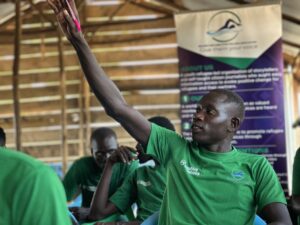
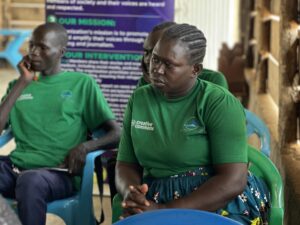
  4. Delivered a three-day cultural documentation workshop. Fifteen shortlisted cultural leaders completed intensive, practical training on interviewing, recording with low-cost equipment, metadata creation, and ethical consent practices.

  5. Ran community feedback sessions. After training, we hosted sessions where participants and community members shared testimonies and guidance for the archive.

  6. Established the Digital Archive Management Team. Trained youth, cultural leaders, and our Digital Archivist now co-manage the Refugee Archives repository, set cataloging standards, and maintain backups and access rules.

Early results — what we’ve accomplished

  • Community ownership: Local custodians and cultural leaders are actively steering how materials are collected, described, and shared.

  • Trained personnel: 15 documentarians now possess the skills to record, contextualize, and preserve cultural materials.

  • Digital repository: A secure, community-owned digital repository (“Refugee Archives”) was created to store recordings and metadata for future use in education and advocacy.

  • Materials prepared for upload: Recordings, metadata sheets, and consent forms are organized and ready for gradual publication under agreed licensing terms.

Challenges and how we addressed them

Reluctance from elders and custodians. Some elders feared misrepresentation or misuse of their stories.
Our response: We organized additional trust-building meetings, explained intellectual property rights in local languages, clarified consent options (attribution, anonymity, or restricted access), and enlisted respected cultural champions to vouch for the project. This transparency helped many participants decide to join.

Gender inclusion barriers. Cultural norms initially limited women’s participation.
Our response: We partnered with women’s groups, prioritized women candidates for the training shortlist, and worked closely with female cultural leaders to create a safer, supportive environment. This targeted outreach improved women’s representation among trainees.

Principles that guided us

  • Consent first: Every recording includes clear, informed consent and editorial review options for contributors.

  • Context matters: Each item is accompanied by descriptive metadata and cultural notes so future users understand its meaning and appropriate use.

  • Community governance: Local leaders help set access rules including restrictions for sensitive materials.

  • Open, with care: We introduce Creative Commons licensing but apply it only with the contributor’s informed choice; some materials may be restricted for cultural safety.

What’s next

  • Complete digitization and metadata entry for the first tranche of recordings.

  • Launch the public facing archive with a moderated selection of community approved items.

  • Expand partnerships with universities and heritage networks for technical preservation and wider access.

  • Scale the training toolkit so other settlements can adopt the model.

How you can help

  • Partner: Cultural institutions and universities can help host and preserve the archive.

  • Volunteer: Archivists, digital preservation specialists, and trainers are welcome mentors.

  • Donate: Support recording kits, storage, and travel for community mobilizers.

Contact: Emmanuel Alio Denis — emmanuelalio87@gmail.com

or RRSA

info@reliablerefugeesa.org

Scroll to Top